The informal Christmas service at Log Base Alpha, Saudi Arabia must be over.
A small group of soldiers are Christmas caroling through the outpost. Their voices echo the words from We Three Kings of Orient Are just outside the work tent in the bright star light.
I briefly consider rolling off the hated cot to go outside and encourage the holiday cheer but my stomach is racked with spasms. Closing my eyes, I imagine the three wise men riding their camels across the Arabian Peninsula laden with valuable gifts of gold, frankincense and myrrh.
Who were these wise men? Perhaps the Zoroastrians, the earliest astrologers, from Iran, Babylon or Afghanistan following the brightest star in the sky to find the biblical King of Kings in a humble manger in Jeruselam.
In my delirium, I try to piece together the bible story from the perspective of the desert.
Or were the wise men really Kings or Arabian tribal leaders taking gifts to a Jewish child hundreds of years before the beliefs of Mohammed and the Q'uran swept the region.
These three travelers might have ridden on the Arabian trade route that existing thousands of years before Christ? Frankincense and myrrh, so valued for perfume, incense and embalming, would be available in Arabia as both come from the sap of trees that grow in the harsh Middle Eastern climate.
The Christmas carols continue outside. I open my eyes and rest my gaze on the one foot tall artifical tree sitting on stacked boxes of our dehydrated Christmas meals. My mother sent this tree, our single holiday decoration, in the first care package. The tree decorations are tiny candy canes, delicate white angels, and doll size drums ... must have taken mom a long time to place all the tiny decorations on the branches.
My family is at home opening their presents and sharing the holiday meal but I am really too sick to care that there will be no presents this year.
The cracker packet is sitting open next to me on the sleeping bag and the large water bottle next to the cot. My lips are cracked but I can't bring myself to touch either.
The carolers move on to the next tent and their voices fade into the night.
Pa rum pa pum pum
Rum pa pum
Rum pa pum
About Me
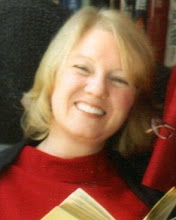
- Airborne_One
- My writing talent is just average but I have a fun story to tell! Once in a Blue Moon is the often action packed and humorous book about life in Saudi Arabia during the 1990-91 Gulf War. My journey is full of military adventure, cultural misunderstandings and falling in love with a guy who is completely off limits.
Saturday, December 25, 2010


Sunday, December 5, 2010
Heat
After five days of travel and two engine fires, it is a relief to climb down three flights of stairs, walk past the sea of military jeeps, palletized boxes and a tank.
I finally jump off the tailgate of the C-5 Galaxy on December 4, 1990 at King Fahd International Airport and walk into a wall of dry heat and blinding sunlight.
Where are those Raybans? I reach into my cargo pocket pulling out the sunglasses case. That case will never be used again. Those Raybans will rarely leave my face over the next six months. Often I will fall asleep with the mini shield still covering my eyes or put them in my helmet right next to my cot.
The Raybans aren't the only item that will become permanent extensions of me.
A small, thin soldier hands me a three live ammo clips. I expect this protective measure and after checking to ensure the clips are full, push these into the ammo "pockets" on my utility belt.
Alvarez is in front of me. He slaps a clip against his palm and watches sand slide out and through his fingers. No doubt keeping the M-16s and clips from jamming is going to be a hassle.
I look around Alvarez to see Melissa Hart receiving a case with the bold wording Atropine on the side. Her tan face goes pale as her long fingers wrap around the small plastic container which contains injectors for emergency use only.
The fear of biological and chemical weapons is pervasive among the coalition troops. The Iraqis are believed to have used these insidious weapons against their own people.
The injectors deliver life saving drugs that provide a painful salvation from a nearly certain death.
I lean down to tighten the gas mask belt around my thigh. In the process my dogtags swing loose from the front of my t-shirt and hang straight down from my neck. I clasp the tags and slide them back under my shirt.
Alvarez is staring at me. I raise an eyebrow quizically.
"What is the red tag?"
I absently pull the tags back up in front of me and flip over the med alert tag, "Severe allergic reaction to tetracycline, a bacterial antibiotic".
"Tetracycline." Alvarez repeats and turns to check the expiration date on the package of his atropine injector.
"Do you ever trust that you will be given equipment that works?" I take my atropine injector and snap it securely into a pocket on the back of the gas mask carrier.
"No. And neither should you."
My helmet is securely on my head. The M-16 is slung over my right shoulder with live ammunition in my ammo pockets. A personally fitted gas mask on my left hip with atropine injector in the back flap. Dog tags around my neck. And Raybans protecting my eyes.
I'm ready.
For something.
I finally jump off the tailgate of the C-5 Galaxy on December 4, 1990 at King Fahd International Airport and walk into a wall of dry heat and blinding sunlight.
Where are those Raybans? I reach into my cargo pocket pulling out the sunglasses case. That case will never be used again. Those Raybans will rarely leave my face over the next six months. Often I will fall asleep with the mini shield still covering my eyes or put them in my helmet right next to my cot.
The Raybans aren't the only item that will become permanent extensions of me.
A small, thin soldier hands me a three live ammo clips. I expect this protective measure and after checking to ensure the clips are full, push these into the ammo "pockets" on my utility belt.
Alvarez is in front of me. He slaps a clip against his palm and watches sand slide out and through his fingers. No doubt keeping the M-16s and clips from jamming is going to be a hassle.
I look around Alvarez to see Melissa Hart receiving a case with the bold wording Atropine on the side. Her tan face goes pale as her long fingers wrap around the small plastic container which contains injectors for emergency use only.
The fear of biological and chemical weapons is pervasive among the coalition troops. The Iraqis are believed to have used these insidious weapons against their own people.
The injectors deliver life saving drugs that provide a painful salvation from a nearly certain death.
I lean down to tighten the gas mask belt around my thigh. In the process my dogtags swing loose from the front of my t-shirt and hang straight down from my neck. I clasp the tags and slide them back under my shirt.
Alvarez is staring at me. I raise an eyebrow quizically.
"What is the red tag?"
I absently pull the tags back up in front of me and flip over the med alert tag, "Severe allergic reaction to tetracycline, a bacterial antibiotic".
"Tetracycline." Alvarez repeats and turns to check the expiration date on the package of his atropine injector.
"Do you ever trust that you will be given equipment that works?" I take my atropine injector and snap it securely into a pocket on the back of the gas mask carrier.
"No. And neither should you."
My helmet is securely on my head. The M-16 is slung over my right shoulder with live ammunition in my ammo pockets. A personally fitted gas mask on my left hip with atropine injector in the back flap. Dog tags around my neck. And Raybans protecting my eyes.
I'm ready.
For something.
Wednesday, November 17, 2010
Alvarez and I arrive in the downtown. Alvarez is driving the CUTV, a big Army SUV, as fast as he can while trying to follow the swerving British LandRover. There are no traffic rules here but the roads are no where near as hazardous as Korea. The Koreans drive where ever and when ever they want; at least the Saudis stay on the roads.
After watching a Saudi driver pull up on a sidewalk I reconsider; the fact is there are simply fewer cars, people and buildings to run into in this Saudi city.
We pass store after store with Arabic signs. There are men on the street in their long white robes; black cords hold their white headscarves securely on their heads.
Some of the Saudi men are holding hands while walking down the street. We were briefed that this common practice is a sign of friendship, not homosexuality; but still surprising to witness.
We finally lose the Brits in the heart of the downtown. Alvarez finds a place to park. "Wonder how we will know if this is a no parking zone?"
A Saudi policeman drives by. "We might be okay. Should we split up and start looking for these items?" I quickly copy my list on a second sheet of note paper and hand it to Alvarez.
"Seriously? You are going to walk into a store by yourself?" Alvarez frowns at me. "There will be mutawwa. You are in men's clothing with no head scarf."
The mutawwa or religious police are known for hassling and even arresting women who attempt to act independently or dress inappropriately in public places.
"We've got a lot to do. It is really inefficient to have both of us doing one job." I climb out of the CUTV, grab my M16 and smile big. "I will try to be diplomatic."
"Don't get arrested or shot. Meet me back here in one hour." Alvarez heads across the street to one of the plain buildings on the corner. He calls back from the middle of the street. "And don't beat anyone up."
I head to the opposite corner. My focus is on simply finding something that resembles a retail outlet.
Two men walk towards me. I hope my limited Arabic will help to get directions. "Al-salaam alaykum (hello). Titkallam ingleezi? (Do you speak English?)
They look down and walk quickly away. I wonder if I said something offensive.
I keep walking. Two more blocks.
The men in front of me suddenly cross the street. But they look back and stare openly at me. Probably not accustomed to seeing soldiers carrying weapons in their streets. It would bother me too.
Finally I see a small hardware store. Inside two men are talking to each other excitedly and one points at me. He looks alarmed. As I walk towards the door, they rush to change a sign, pull down the door blinds and lock the door.
I pause for a moment contemplating my first experience of complete denial.
This is going to be much harder than I thought.
I had no idea.
The second store was just two blocks away. I walked in without causing a stir. There are 3 other soldiers doing business with shop workers. The workers in western clothing appear to be Phillipino. This was also in our training. Most of the sales and front line work in Saudi Arabia is handled by Phillipinos. But managerial work is often the purvue of Sudanese.
After multiple attempts to gain assistance from the English speaking staff, I look around to see who is calling the shots. A tall black man in white robes glares at me and moves quickly to my side saying quietly,"It is not good that you are here. It is a problem."
I stepped outside to regroup. Should I fight for my rights? Go back inside and yell at them? I feel a minute of confusion and anger. We are here to defend the Saudis. I am part of the army that is here to defend these people. What are my rights in Saudi Arabia?
As I start to head back to the CUTV, one of the soldiers walks out of the store and calls out to me. "Hey LT."
I turn. A fellow Lieutenant. From the 82nd Airborne.
"This is a hard country for women to do anything. Do you need some help?"
"I hate to admit it but without raising a fuss I'm trying to figure out how to get my job done."
"This is a tough situation. They are afraid the religious police will shut them down. What do you need?"
I hand over my list. "Know where to get any of these items?"
He laughs as he looks at the list. "You guys just arrive?"
"Yes. Why?"
"You won't need most of this. Hold on a sec." He pulls a sheet of paper out
of a briefcase sized green canvas bag. He jots down a dozen items. "Start with these. Go to Al Faris Construction. Two blocks south and four blocks east of here. Ask for Nasir and tell him Lt. Ryan sent you."
"Thanks. Is there anyway I can help you?"
"No problem. Nah. Unless by some chance you have TP?"
"Toliet paper?" The smile on my face must have said it all. "Come find me on the port. I'm living on a cot under the first overhang by the Commodores hut. Just ask for Lt Maxton with the 300th. The guard will find me."
"I know it well. That is where our unit was housed until we were sent into the desert. Can I swing by tonight around call for prayer?"
"What time is that?"
He laughs. "You will soon know when all 5 call for prayer times are ... because everything just shuts down."
I wave the paper. "Nasir at Al Faris Construction. Thanks!"
"See you tonight.'
When I get back to the CUTV, Alvarez is waiting. He has two small items.
"Not very productive trip?"
"Terrible. But..." I showed him the list and talked about the recommendations from the LT of the 82nd.
"Do you want to try this afternoon or should we wait till tomorrow?"
Suddenly I can hear singing from what sounds like a loud speaker
Allahu akbar, Allahu akbar
Ashhadu an la Ilah ila Allah
Ashadu an Mohammad rasul Allah
Haya ala as-salat
Haya ala as-salat
I look for the source. Alvarez looks at me. "What is that?"
"Call to prayer." Alvarez looks blankly at me.
You know, There is no god but Allah and Mohammed is the Prophet of Allah ... the Islamic call to prayer.
On cue, all the Saudis pour out of their stores onto the streets. They all begin to walk the same direction taking no notice of Alvarez and I standing on the street gawking at the mass exodus.
The call to prayer continues and then suddenly the streets are deserted.
"How long does this last?"
"I would guess the shops will not reopen for an hour. And they do this five times each day."
"How do they get anything done here?"
"I don't know. Let's go back to the port. We need to be at Al Faris as soon as morning prayer is over."
After watching a Saudi driver pull up on a sidewalk I reconsider; the fact is there are simply fewer cars, people and buildings to run into in this Saudi city.
We pass store after store with Arabic signs. There are men on the street in their long white robes; black cords hold their white headscarves securely on their heads.
Some of the Saudi men are holding hands while walking down the street. We were briefed that this common practice is a sign of friendship, not homosexuality; but still surprising to witness.
We finally lose the Brits in the heart of the downtown. Alvarez finds a place to park. "Wonder how we will know if this is a no parking zone?"
A Saudi policeman drives by. "We might be okay. Should we split up and start looking for these items?" I quickly copy my list on a second sheet of note paper and hand it to Alvarez.
"Seriously? You are going to walk into a store by yourself?" Alvarez frowns at me. "There will be mutawwa. You are in men's clothing with no head scarf."
The mutawwa or religious police are known for hassling and even arresting women who attempt to act independently or dress inappropriately in public places.
"We've got a lot to do. It is really inefficient to have both of us doing one job." I climb out of the CUTV, grab my M16 and smile big. "I will try to be diplomatic."
"Don't get arrested or shot. Meet me back here in one hour." Alvarez heads across the street to one of the plain buildings on the corner. He calls back from the middle of the street. "And don't beat anyone up."
I head to the opposite corner. My focus is on simply finding something that resembles a retail outlet.
Two men walk towards me. I hope my limited Arabic will help to get directions. "Al-salaam alaykum (hello). Titkallam ingleezi? (Do you speak English?)
They look down and walk quickly away. I wonder if I said something offensive.
I keep walking. Two more blocks.
The men in front of me suddenly cross the street. But they look back and stare openly at me. Probably not accustomed to seeing soldiers carrying weapons in their streets. It would bother me too.
Finally I see a small hardware store. Inside two men are talking to each other excitedly and one points at me. He looks alarmed. As I walk towards the door, they rush to change a sign, pull down the door blinds and lock the door.
I pause for a moment contemplating my first experience of complete denial.
This is going to be much harder than I thought.
I had no idea.
The second store was just two blocks away. I walked in without causing a stir. There are 3 other soldiers doing business with shop workers. The workers in western clothing appear to be Phillipino. This was also in our training. Most of the sales and front line work in Saudi Arabia is handled by Phillipinos. But managerial work is often the purvue of Sudanese.
After multiple attempts to gain assistance from the English speaking staff, I look around to see who is calling the shots. A tall black man in white robes glares at me and moves quickly to my side saying quietly,"It is not good that you are here. It is a problem."
I stepped outside to regroup. Should I fight for my rights? Go back inside and yell at them? I feel a minute of confusion and anger. We are here to defend the Saudis. I am part of the army that is here to defend these people. What are my rights in Saudi Arabia?
As I start to head back to the CUTV, one of the soldiers walks out of the store and calls out to me. "Hey LT."
I turn. A fellow Lieutenant. From the 82nd Airborne.
"This is a hard country for women to do anything. Do you need some help?"
"I hate to admit it but without raising a fuss I'm trying to figure out how to get my job done."
"This is a tough situation. They are afraid the religious police will shut them down. What do you need?"
I hand over my list. "Know where to get any of these items?"
He laughs as he looks at the list. "You guys just arrive?"
"Yes. Why?"
"You won't need most of this. Hold on a sec." He pulls a sheet of paper out
of a briefcase sized green canvas bag. He jots down a dozen items. "Start with these. Go to Al Faris Construction. Two blocks south and four blocks east of here. Ask for Nasir and tell him Lt. Ryan sent you."
"Thanks. Is there anyway I can help you?"
"No problem. Nah. Unless by some chance you have TP?"
"Toliet paper?" The smile on my face must have said it all. "Come find me on the port. I'm living on a cot under the first overhang by the Commodores hut. Just ask for Lt Maxton with the 300th. The guard will find me."
"I know it well. That is where our unit was housed until we were sent into the desert. Can I swing by tonight around call for prayer?"
"What time is that?"
He laughs. "You will soon know when all 5 call for prayer times are ... because everything just shuts down."
I wave the paper. "Nasir at Al Faris Construction. Thanks!"
"See you tonight.'
When I get back to the CUTV, Alvarez is waiting. He has two small items.
"Not very productive trip?"
"Terrible. But..." I showed him the list and talked about the recommendations from the LT of the 82nd.
"Do you want to try this afternoon or should we wait till tomorrow?"
Suddenly I can hear singing from what sounds like a loud speaker
Allahu akbar, Allahu akbar
Ashhadu an la Ilah ila Allah
Ashadu an Mohammad rasul Allah
Haya ala as-salat
Haya ala as-salat
I look for the source. Alvarez looks at me. "What is that?"
"Call to prayer." Alvarez looks blankly at me.
You know, There is no god but Allah and Mohammed is the Prophet of Allah ... the Islamic call to prayer.
On cue, all the Saudis pour out of their stores onto the streets. They all begin to walk the same direction taking no notice of Alvarez and I standing on the street gawking at the mass exodus.
The call to prayer continues and then suddenly the streets are deserted.
"How long does this last?"
"I would guess the shops will not reopen for an hour. And they do this five times each day."
"How do they get anything done here?"
"I don't know. Let's go back to the port. We need to be at Al Faris as soon as morning prayer is over."
Sunday, October 31, 2010
November 1990
Today I drove past the one story and innocuous US Army Reserve building in Lafayette, Indiana. Memories of November 1990 flood back.
I receive orders to deploy as part of Operation Desert Shield with the 300th Combat Support Battalion. They were based out of this small bureaucratic looking structure.
My previous unit was a wild, tough, bunch of former Ranger, 82nd Airborne, Pathfinder and Special Forces soldiers. They provided a very exciting, adventure filled assignment. I spent as much time bailing them out of trouble (often jail or base commander's offices) as I did commanding the unit. Later, remind me to tell you about the Korean snake dancer and my soldier who bit the head off the Korean rare mountain snake ...
My new unit, the 300th Battalion HQ has a very different culture. No adrenaline junkies in this bunch. Many of the enlisted soldiers are students at Purdue University. It is a well-educated, quirky, close knit family.
When I arrive at the HQ, I don't know any of the soldiers but quickly develop friendships with two young officers.
Two of my book charachters are loosely based on these fellow HQ newbies.
"1Lt Melissa Hart" served in the same Airborne unit but at the Company HQ. We had never worked together but airborne q'd women were very uncommon in 1990. We knew each other by reputation. "Melissa" is a smart, hard-working gal from the Upper Pennisula of Michigan. She has a great sense of humor, infectious smile and all sorts of crazy stuff going on at home. She will become a great friend in Saudi Arabia.
"CPT Kent Stevens" served as the commander of a transportation unit and recently transferred to the Bn HQ. "Kent" is a big,tall guy with a big tell-it-like-it-is personality. He is loud and unconsciously swears in every sentence. We quickly develop a bantering dialogue and a love-hate relationship as we compete for resources.
I struggle initially with the transition from command of my renegades to a HQ staff position.
Did I make a mistake by agreeing to deploy early with the HQ? Should I have stayed with my Airborne Unit who will likely deploy later?
At the time, I had no idea that this knee jerk decision to join the HQ will impact the rest of my life.
I receive orders to deploy as part of Operation Desert Shield with the 300th Combat Support Battalion. They were based out of this small bureaucratic looking structure.
My previous unit was a wild, tough, bunch of former Ranger, 82nd Airborne, Pathfinder and Special Forces soldiers. They provided a very exciting, adventure filled assignment. I spent as much time bailing them out of trouble (often jail or base commander's offices) as I did commanding the unit. Later, remind me to tell you about the Korean snake dancer and my soldier who bit the head off the Korean rare mountain snake ...
My new unit, the 300th Battalion HQ has a very different culture. No adrenaline junkies in this bunch. Many of the enlisted soldiers are students at Purdue University. It is a well-educated, quirky, close knit family.
When I arrive at the HQ, I don't know any of the soldiers but quickly develop friendships with two young officers.
Two of my book charachters are loosely based on these fellow HQ newbies.
"1Lt Melissa Hart" served in the same Airborne unit but at the Company HQ. We had never worked together but airborne q'd women were very uncommon in 1990. We knew each other by reputation. "Melissa" is a smart, hard-working gal from the Upper Pennisula of Michigan. She has a great sense of humor, infectious smile and all sorts of crazy stuff going on at home. She will become a great friend in Saudi Arabia.
"CPT Kent Stevens" served as the commander of a transportation unit and recently transferred to the Bn HQ. "Kent" is a big,tall guy with a big tell-it-like-it-is personality. He is loud and unconsciously swears in every sentence. We quickly develop a bantering dialogue and a love-hate relationship as we compete for resources.
I struggle initially with the transition from command of my renegades to a HQ staff position.
Did I make a mistake by agreeing to deploy early with the HQ? Should I have stayed with my Airborne Unit who will likely deploy later?
At the time, I had no idea that this knee jerk decision to join the HQ will impact the rest of my life.
Sunday, September 5, 2010
The Waiting Game
Tonight it is September 7,2010 but I am thinking about September 1990.
Twenty years ago, soon after running a complicated parachute and rigger training mission, I received my initial mobilization call for Desert Shield. Within a few days, came my initial orders to prepare my Airborne Unit for deployment to Saudi Arabia.
My unit quickly packed and shipped all of our gear. We updated our finances, our shots and our wills. We prepared our families.
And we waited.
My unit waited for orders to get on the plane.
But the orders for my Airborne unit never came.
My orders for Saudi Arabia would come. But not yet.
http://en.wikipedia.org/wiki/Gulf_War#UN_resolution
Twenty years ago, soon after running a complicated parachute and rigger training mission, I received my initial mobilization call for Desert Shield. Within a few days, came my initial orders to prepare my Airborne Unit for deployment to Saudi Arabia.
My unit quickly packed and shipped all of our gear. We updated our finances, our shots and our wills. We prepared our families.
And we waited.
My unit waited for orders to get on the plane.
But the orders for my Airborne unit never came.
My orders for Saudi Arabia would come. But not yet.
http://en.wikipedia.org/wiki/Gulf_War#UN_resolution
Saturday, August 7, 2010
Invasion (Once In A Blue Moon: Two)
August 2, 1990
My neurotic best friend, roommate and fellow soldier, Melissa, is flipping through TV stations trying to catch the morning news.
“Breaking News. Inside sources indicate that Iraqi soldiers using helicopters and small ships have taken control of Kuwait. Reports are pouring in that Iraqi operations took less than 24 hours …”
“Flory, you might want to watch this.” Melissa calls out.
A young attractive female anchor, with a large CNN sign behind her, continues in clinical fashion. “… Four elite Iraqi Republican Guard Divisions attacked Kuwait City at 2:00 this morning with an estimated 100,000 soldiers and 700 tanks … “
I grab a blueberry bagel from a big woven basket on the counter. “Is this real news? Switch over to a network station.”
“I think it is CNN, 24 hour news or something new. They have reporters in Baghdad. Shhh.” Melissa puts her hand over my mouth. “Listen.”
“Okay.” I mumble while chewing on the bagel. “Great 24 hours of news will give you endless reasons to lose sleep.”
I lean over her shoulder to get a better look at the video footage of Iraqi soldiers running under Kuwait’s landmark Water Towers with their beautiful multi-story spheres and needle tops.
“Iraqi tanks attacked the royal residence, Dasman Palace. A Saudi source indicates that Emir Jaber Al-Ahmad Al-Jaber Al-Sabah safely escaped into the Saudi desert.” The television screen shows Iraqi tanks moving freely down the main streets of Kuwait City.
“The same Saudi source reports that the Emir’s private guard and younger half brother stayed behind to defend the palace. There is poor quality footage and an unconfirmed report that the Sheikh was shot and killed. It appears that his body was placed in front of a tank and run over.”
“That isn’t going to go over well.” Pushing dark wavy hair out of her eyes, Melissa takes a deep breath as the horrifying scene played out in front of us. Her beautiful face reflects the concern we both feel.
On the small television screen I see Iraqi soldiers pulling down the distinctive green, white and red stripes with a black trapezoid of the Kuwaiti flag. Then the screen flashes to Saddam Hussian in Baghdad announcing in Arabic with an English translator that “Kuwait is once again and rightfully the 19th Province of Iraq.”
“When was Kuwait part of Iraq?"
"Maybe Late 1800s, early 1900s? The British pulled some trick after oil was discovered in Kuwait. The leader of Kuwait signed a protection agreement with the British. The Iraqis felt Kuwait was stolen from them."
"How do you remember that stuff? Did you make that up?"
I picked up my latest geo-political novel from the counter. "I read. I read a lot. But honestly, I’ll have to check. Not certain of the dates.”
I tried to remember how the British and French had divided the Middle East through the World Wars but those particular history lessons were not committed to memory.
I put down the half eaten bagel to finish French braiding my messy blonde hair.
“Mel ... “ I tuck the braid high above the collar of my uniform jacket, “I better get to the base for a SITREP. Are you going in today?” I pull the red airborne beret neatly over the platinum braid, the soft wool material falls flat over my head and fold the excess over my right ear. My fingers automatically check that my Lieutenant's bar is correctly positioned over my left eye.
“No, I’m off this weekend. Flory, do you think we will get pulled into this?”
“There is a lot of oil at stake and that was a blatant invasion of a sovereign nation.” I shrug and grimace. “We will know soon.”
“Are you jumping today?”
I respond with a huge smile and lift my big parachute bag from behind the couch and toss it over my shoulder. “It is like going to the amusement park to ride the roller coasters.”
“Just don’t get hurt.” Melissa calls behind me. “It is hard to find a new roommate.”
I close the door as Melissa turns back to watch more footage of the Iraqi invasion of Kuwait.
My car is in the shop and my brother has loaned me his beloved convertible while he is away on military assignment in Panama. As I unlock the 1973 red Ford Mustang, my mind reverts to the TV images. How could anyone get that film footage out of Kuwait so fast? Did this new TV station, CNN actually have reporters in other countries?
I start the car and begin to back out while thinking about the concept of 24 hour news? What a dumb idea. Seriously, what will their anchors talk about all day and night?
My neurotic best friend, roommate and fellow soldier, Melissa, is flipping through TV stations trying to catch the morning news.
“Breaking News. Inside sources indicate that Iraqi soldiers using helicopters and small ships have taken control of Kuwait. Reports are pouring in that Iraqi operations took less than 24 hours …”
“Flory, you might want to watch this.” Melissa calls out.
A young attractive female anchor, with a large CNN sign behind her, continues in clinical fashion. “… Four elite Iraqi Republican Guard Divisions attacked Kuwait City at 2:00 this morning with an estimated 100,000 soldiers and 700 tanks … “
I grab a blueberry bagel from a big woven basket on the counter. “Is this real news? Switch over to a network station.”
“I think it is CNN, 24 hour news or something new. They have reporters in Baghdad. Shhh.” Melissa puts her hand over my mouth. “Listen.”
“Okay.” I mumble while chewing on the bagel. “Great 24 hours of news will give you endless reasons to lose sleep.”
I lean over her shoulder to get a better look at the video footage of Iraqi soldiers running under Kuwait’s landmark Water Towers with their beautiful multi-story spheres and needle tops.
“Iraqi tanks attacked the royal residence, Dasman Palace. A Saudi source indicates that Emir Jaber Al-Ahmad Al-Jaber Al-Sabah safely escaped into the Saudi desert.” The television screen shows Iraqi tanks moving freely down the main streets of Kuwait City.
“The same Saudi source reports that the Emir’s private guard and younger half brother stayed behind to defend the palace. There is poor quality footage and an unconfirmed report that the Sheikh was shot and killed. It appears that his body was placed in front of a tank and run over.”
“That isn’t going to go over well.” Pushing dark wavy hair out of her eyes, Melissa takes a deep breath as the horrifying scene played out in front of us. Her beautiful face reflects the concern we both feel.
On the small television screen I see Iraqi soldiers pulling down the distinctive green, white and red stripes with a black trapezoid of the Kuwaiti flag. Then the screen flashes to Saddam Hussian in Baghdad announcing in Arabic with an English translator that “Kuwait is once again and rightfully the 19th Province of Iraq.”
“When was Kuwait part of Iraq?"
"Maybe Late 1800s, early 1900s? The British pulled some trick after oil was discovered in Kuwait. The leader of Kuwait signed a protection agreement with the British. The Iraqis felt Kuwait was stolen from them."
"How do you remember that stuff? Did you make that up?"
I picked up my latest geo-political novel from the counter. "I read. I read a lot. But honestly, I’ll have to check. Not certain of the dates.”
I tried to remember how the British and French had divided the Middle East through the World Wars but those particular history lessons were not committed to memory.
I put down the half eaten bagel to finish French braiding my messy blonde hair.
“Mel ... “ I tuck the braid high above the collar of my uniform jacket, “I better get to the base for a SITREP. Are you going in today?” I pull the red airborne beret neatly over the platinum braid, the soft wool material falls flat over my head and fold the excess over my right ear. My fingers automatically check that my Lieutenant's bar is correctly positioned over my left eye.
“No, I’m off this weekend. Flory, do you think we will get pulled into this?”
“There is a lot of oil at stake and that was a blatant invasion of a sovereign nation.” I shrug and grimace. “We will know soon.”
“Are you jumping today?”
I respond with a huge smile and lift my big parachute bag from behind the couch and toss it over my shoulder. “It is like going to the amusement park to ride the roller coasters.”
“Just don’t get hurt.” Melissa calls behind me. “It is hard to find a new roommate.”
I close the door as Melissa turns back to watch more footage of the Iraqi invasion of Kuwait.
My car is in the shop and my brother has loaned me his beloved convertible while he is away on military assignment in Panama. As I unlock the 1973 red Ford Mustang, my mind reverts to the TV images. How could anyone get that film footage out of Kuwait so fast? Did this new TV station, CNN actually have reporters in other countries?
I start the car and begin to back out while thinking about the concept of 24 hour news? What a dumb idea. Seriously, what will their anchors talk about all day and night?
Sunday, July 25, 2010
City Slickers in the Desert
I came to Saudi Arabia expecting to witness the beauty of rolling white desert sands; the incredible strength and stamina of the camels and the majestic flowing headdress and robes of the Arabs. The epic scenes straight out of Lawrence of Arabia circa early 1900s looming in my mind’s eye.
My first trip into the desert is in a brand new HUMVEE fresh with desert camouflage paint. Blazing along at 75 miles per hour we reach the Main Supply Route (MSR) that will take Alvarez and I northwest, away from the Port of Dammam, the Gulf waters and into the northern desert.
Our initial excitement at being in the desert is quickly dashed. The drive is monotonous. In the mid-morning light, the flat, colorless landscape stretches on as far as I can see.
No rolling hills of sand. No color contrast. No beautiful landscape. My heart sinks. Was this ugly view to be our constant companion for the foreseeable future?
For the first hour we see only military vehicles on the MSR. Tanks, semis full of gear, fuel tankers, CUTV, HEMMTS and more HUMVEE.
The Main Supply Route (MSR) is little more than a two lane road carved into the desert. Vehicles flying past with no regards to traffic rules. No speed limit. The MSR is the road to the wild, wild west. You enter and exit at your own risk.
There are piles of stones and cardboard signs occasionally to identify a demarcation point to outposts throughout the desert.
Vehicles will pass by racing on the side of road and kicking up clouds of dust.
The dust is terrible and not just because it makes it hard to see while driving. Alvarez and I both wear green cotton rags tied around our necks. We simultaneously pull the rags over our mouths to keep from inhaling the dust. I quit breathing through my nose and look around for the goggles that were part of our driving kit.
Alvarez unsnaps his helmet and places it between us. He takes one of the goggles from me and slides the strap over his head. I quickly do the same. We both struggle to blink the dust from our eyes.
The goggles and neckscarves will have to make do. The Battalion Commander will not let us wear headscarves. The Commander had a small fit when he saw one poor soldier attempting to wear a headscarf during a shooting exercise. The soldier had witnessed the Arabs wrapping the headscarf over the nose and mouth while creating a hood over the eyes.
This very practical approach to dealing with sand served as a negative reminder to our Commander and apparently many others who had served in Vietnam. The “headrags” were apparently commonly worn in Vietnam by soldiers celebrating the rampant drug culture of the 60s.
My initial take is the headscarves were incredibly practical in this environment. Since most of these soldiers weren’t born until the late 60s and 70s, they had no recollection of Vietnam. But our commander stood fast, no headrags on his soldiers.
I snap back to our journey, re-adjust the lensatic compass and double check the map. We have 3 more hours before we reach our first northbound turn. My eyes search the desert for something interesting.
Abandoned military vehicles are common place. Some appear to be accident victims and others simply broken down roadside. I begin to notice that many of the vehicles have been cannibalized. Bumpers, hoods, windshields are gone. Initially I think the Bedouin are taking the parts but this made no sense as the Bedouin travel light and would seemingly have little need for car parts. Later I discover that the cannibalization has become part of the Army repair system in the desert. This is no surprise as repair parts are so difficult to come by.
As Alvarez carefully watches the road, I see my first camel in the desert. The animal appears small and dirty dark brown in color. The camel is hobbled with a strap that ties the right front leg to the left rear leg.
I watch as a Japanese pickup truck comes slowly through the desert. “Is the truck herding those camels?” I point to a small herd of slightly larger animals.
The truck stops and I see three Bedouin pop out of the cab. The cab has fancy, colorful curtains with small tassels hanging around the base. One of the Bedouin pulls the curtains around the inside of the front windshield protecting the black interior from the full force of the sun.
I’m dismayed. Little Japanese pick up trucks? Where are the proud, mythic Bedouin riding their camels with brightly colored robes?
These Bedouin wear ground length earth colored tunics and headscarves. The city dwellers in contrast wear immaculate ground length white robes and headscarves. The tunics are very loose and appear so practical in this heat.
Our battle dress uniforms are not practical at all. The cloth doesn’t breathe and in this environment the baggy military clothing is too close fitting. The heavy green camouflage cloth is soaking wet with sweat at the points where the pants touch our bodies. The waist band, the knees, the ankles where our pants are neatly tucked in our completely impractical black leather combat boots. Uniforms and boots that are perfect for the snow or mountainous terrain but not the desert.
The Arabs all wear slip on sandals under their tunics. I’m quite envious as I sit sweating in the HUMVEE cab. No air conditioning. We try opening the windows but the dust makes that action undesirable.
I watch as many vehicles stop. The local drivers get out of their vehicles and roll out small prayer rugs on the sand.
They all face to the west. Towards Mecca.
I look back at the Bedouins as they kneel down on the prayer rugs and prostrate themselves in the scorching sun.
This is a sight that will never cease to amaze me although we will see this scene play out in the desert many times each day.
Time for prayer.
We drive on for hours in silence.
“Hungry? “ I mouth to Alvarez.
“Yea”. He mouths back.
“Crackers with some PB&J?”
He nods taking a big swing of water from his warm water bottle.
I break out the dehydrated food from dark brown plastic Meals Ready to Eat (MRE) bags. I knead the peanut butter mixture in the plastic sleeve until it feels smooth. Cut the plastic end with my utility knife and squeeze some PB on a cracker. Then opening the apple jelly in similar fashion, I repeat the steps. I hand Alvarez the cracker sandwich.
Alvarez yells over the sound of the engine,” This might taste great if my mouth wasn’t full of sand”.
I eat a cracker but it is so hot. The idea of peanut butter turns my stomach. I drink a little water and study the map.
About 20 miles to our turn off. I turn back to the window and my study of the desert.
At one point I am certain there is a giant hill in front of us and later a lake. "Is that an oasis?" But as we get closer to the geographic features, I can see the way my brain seeks familiar patterns out of the light contrived shapes. The sun moves across the sands creating a variety of shadows.
Right now my brain is still wired for the bright colors and patterns of cities and the western world. Over the next few weeks my brain and ultimately my eyesight will adjust to this new environment.
The subtle color variations of the sand and the shadow patterns of each day will become second nature. And the beauty and bitterness of the desert will be revealed in many interesting ways.
My first trip into the desert is in a brand new HUMVEE fresh with desert camouflage paint. Blazing along at 75 miles per hour we reach the Main Supply Route (MSR) that will take Alvarez and I northwest, away from the Port of Dammam, the Gulf waters and into the northern desert.
Our initial excitement at being in the desert is quickly dashed. The drive is monotonous. In the mid-morning light, the flat, colorless landscape stretches on as far as I can see.
No rolling hills of sand. No color contrast. No beautiful landscape. My heart sinks. Was this ugly view to be our constant companion for the foreseeable future?
For the first hour we see only military vehicles on the MSR. Tanks, semis full of gear, fuel tankers, CUTV, HEMMTS and more HUMVEE.
The Main Supply Route (MSR) is little more than a two lane road carved into the desert. Vehicles flying past with no regards to traffic rules. No speed limit. The MSR is the road to the wild, wild west. You enter and exit at your own risk.
There are piles of stones and cardboard signs occasionally to identify a demarcation point to outposts throughout the desert.
Vehicles will pass by racing on the side of road and kicking up clouds of dust.
The dust is terrible and not just because it makes it hard to see while driving. Alvarez and I both wear green cotton rags tied around our necks. We simultaneously pull the rags over our mouths to keep from inhaling the dust. I quit breathing through my nose and look around for the goggles that were part of our driving kit.
Alvarez unsnaps his helmet and places it between us. He takes one of the goggles from me and slides the strap over his head. I quickly do the same. We both struggle to blink the dust from our eyes.
The goggles and neckscarves will have to make do. The Battalion Commander will not let us wear headscarves. The Commander had a small fit when he saw one poor soldier attempting to wear a headscarf during a shooting exercise. The soldier had witnessed the Arabs wrapping the headscarf over the nose and mouth while creating a hood over the eyes.
This very practical approach to dealing with sand served as a negative reminder to our Commander and apparently many others who had served in Vietnam. The “headrags” were apparently commonly worn in Vietnam by soldiers celebrating the rampant drug culture of the 60s.
My initial take is the headscarves were incredibly practical in this environment. Since most of these soldiers weren’t born until the late 60s and 70s, they had no recollection of Vietnam. But our commander stood fast, no headrags on his soldiers.
I snap back to our journey, re-adjust the lensatic compass and double check the map. We have 3 more hours before we reach our first northbound turn. My eyes search the desert for something interesting.
Abandoned military vehicles are common place. Some appear to be accident victims and others simply broken down roadside. I begin to notice that many of the vehicles have been cannibalized. Bumpers, hoods, windshields are gone. Initially I think the Bedouin are taking the parts but this made no sense as the Bedouin travel light and would seemingly have little need for car parts. Later I discover that the cannibalization has become part of the Army repair system in the desert. This is no surprise as repair parts are so difficult to come by.
As Alvarez carefully watches the road, I see my first camel in the desert. The animal appears small and dirty dark brown in color. The camel is hobbled with a strap that ties the right front leg to the left rear leg.
I watch as a Japanese pickup truck comes slowly through the desert. “Is the truck herding those camels?” I point to a small herd of slightly larger animals.
The truck stops and I see three Bedouin pop out of the cab. The cab has fancy, colorful curtains with small tassels hanging around the base. One of the Bedouin pulls the curtains around the inside of the front windshield protecting the black interior from the full force of the sun.
I’m dismayed. Little Japanese pick up trucks? Where are the proud, mythic Bedouin riding their camels with brightly colored robes?
These Bedouin wear ground length earth colored tunics and headscarves. The city dwellers in contrast wear immaculate ground length white robes and headscarves. The tunics are very loose and appear so practical in this heat.
Our battle dress uniforms are not practical at all. The cloth doesn’t breathe and in this environment the baggy military clothing is too close fitting. The heavy green camouflage cloth is soaking wet with sweat at the points where the pants touch our bodies. The waist band, the knees, the ankles where our pants are neatly tucked in our completely impractical black leather combat boots. Uniforms and boots that are perfect for the snow or mountainous terrain but not the desert.
The Arabs all wear slip on sandals under their tunics. I’m quite envious as I sit sweating in the HUMVEE cab. No air conditioning. We try opening the windows but the dust makes that action undesirable.
I watch as many vehicles stop. The local drivers get out of their vehicles and roll out small prayer rugs on the sand.
They all face to the west. Towards Mecca.
I look back at the Bedouins as they kneel down on the prayer rugs and prostrate themselves in the scorching sun.
This is a sight that will never cease to amaze me although we will see this scene play out in the desert many times each day.
Time for prayer.
We drive on for hours in silence.
“Hungry? “ I mouth to Alvarez.
“Yea”. He mouths back.
“Crackers with some PB&J?”
He nods taking a big swing of water from his warm water bottle.
I break out the dehydrated food from dark brown plastic Meals Ready to Eat (MRE) bags. I knead the peanut butter mixture in the plastic sleeve until it feels smooth. Cut the plastic end with my utility knife and squeeze some PB on a cracker. Then opening the apple jelly in similar fashion, I repeat the steps. I hand Alvarez the cracker sandwich.
Alvarez yells over the sound of the engine,” This might taste great if my mouth wasn’t full of sand”.
I eat a cracker but it is so hot. The idea of peanut butter turns my stomach. I drink a little water and study the map.
About 20 miles to our turn off. I turn back to the window and my study of the desert.
At one point I am certain there is a giant hill in front of us and later a lake. "Is that an oasis?" But as we get closer to the geographic features, I can see the way my brain seeks familiar patterns out of the light contrived shapes. The sun moves across the sands creating a variety of shadows.
Right now my brain is still wired for the bright colors and patterns of cities and the western world. Over the next few weeks my brain and ultimately my eyesight will adjust to this new environment.
The subtle color variations of the sand and the shadow patterns of each day will become second nature. And the beauty and bitterness of the desert will be revealed in many interesting ways.
Subscribe to:
Posts (Atom)